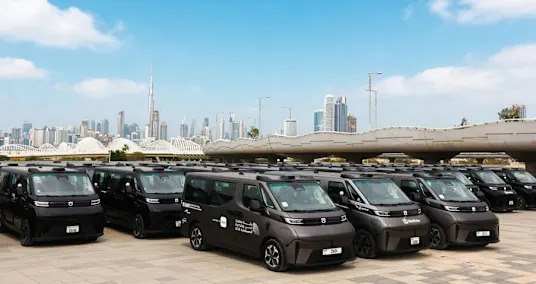
The dream of driverless taxis continues in the Gulf, where the conflict with Iran has slowed but not stopped progress on autonomous transport in Abu Dhabi, Dubai, and Riyadh.
Uber and WeRide added another driverless route in Saudi’s capital this week, linking shopping centers Hayat Mall and Riyadh Gallery. The expanded service comes after the vehicles completed more than 1,700 trips in a trial phase, according to the regulator.
Uber and WeRide have also launched fully driverless services in Dubai, beginning in popular residential and commercial areas Jumeirah and Umm Suqeim, with no safety monitor on board. Separately, Dubai Taxi Company plans to deploy more than 1,000 driverless cars in the city with Baidu’s Apollo Go, starting with a fleet of 50 this year. Earlier this month, Autogo, part of Abu Dhabi-backed technology company K2, began offering rides on Yas Island, and it plans to expand to Saadiyat and Al Maryah islands.
All this is bad news for the region’s taxi drivers, a largely South Asian group whose business is already down due to the conflict with Iran.


 Israel says it killed armed Hamas 'terrorists' in Gaza
- Key Caper d: A Survey of \Procedure and Tomfoolery Released\ Tabletop game
- Figure out How to Explore Land Close to 5G Pinnacles
- NASA’s Artemis II mission will take an astronaut crew around the Moon – a space policy expert describes the long road to launch
- Vaccine committee votes to scrap universal hepatitis B shots for newborns despite outcry from children’s health experts
- Experience Unrivaled Sound: Top Speakers You Really want to Hear
- French Senate debates social media ban for under-15s
- Journalists killed by Israeli strike in southern Lebanon
- Go on A Careful spending plan: Modest Objections for Your List of must-dos